Your Data Is Well-Organized. Do You Control It?
A CIO’s Guide to Data Governance Beyond the Foundation Most conversations about enterprise data start and end with one question:…


Project Portfolio Management means different things depending on where you sit. For PMO leadership, it is a way to ensure investments stay aligned to strategy. For project managers and PMO operators, it is how plans turn into real work, budgets are tracked, and delivery stays on course.
ServiceNow Strategic Portfolio Management (SPM) brings those perspectives together. It connects portfolio intent with execution, so decisions made at the strategic level are reflected in how projects are planned, funded, and delivered. When Project Portfolio Management (PPM) is used effectively inside SPM, it becomes less about managing individual projects and more about maintaining alignment as conditions change.
Whether you’re modernizing your PMO or looking for greater visibility across your project portfolio, understanding how PPM fits within ServiceNow SPM is key to making informed investment decisions and delivering work that supports business goals.
This article explores how Project Portfolio Management fits within ServiceNow SPM, how it differs from Strategic Portfolio Management as a whole, and why that connection matters for both strategic and operational roles inside the PMO.
Project Portfolio Management is the practice of selecting, prioritizing, planning, and managing projects so they support an organization’s strategic objectives. Rather than evaluating projects independently, PPM helps organizations balance investments across an entire portfolio, ensuring resources, budgets, and people are focused on the work that delivers the greatest value.
While many organizations associate PPM with project schedules and status reporting, modern Project Portfolio Management goes much further. It provides the visibility needed to evaluate competing priorities, manage financial performance, forecast resource capacity, and adapt when business priorities change.
Within ServiceNow, these capabilities are delivered as part of Strategic Portfolio Management, connecting project execution to the broader planning and governance processes that happen across the organization.
Project Portfolio Management and Strategic Portfolio Management are closely related, but they are not interchangeable.
Strategic Portfolio Management provides the framework for deciding what work the organization should invest in. It includes capabilities such as strategic planning, demand management, investment planning, portfolio governance, resource management, and financial planning.
Project Portfolio Management focuses on how that approved work gets delivered. Once initiatives have been prioritized, PPM helps organizations manage projects, programs, timelines, budgets, resources, and execution.
Together, they create a continuous connection between strategy and delivery. Strategic decisions guide project execution, while project performance provides the information leaders need to adjust priorities, funding, or timelines as business needs evolve.
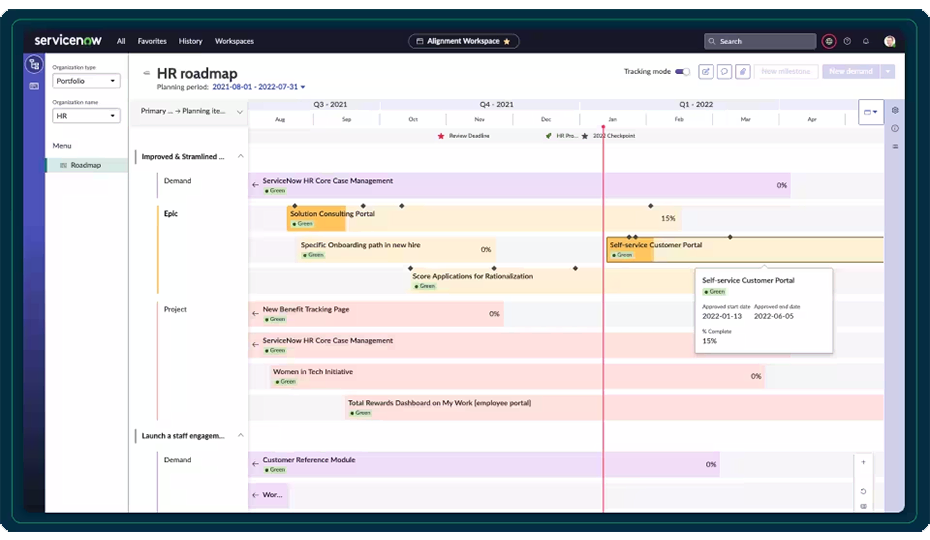
Within ServiceNow Strategic Portfolio Management, Project Portfolio Management serves as the execution layer. Strategy, demand, and investment planning establish direction. PPM translates those decisions into funded projects with timelines, resources, budgets, and accountability.
What makes PPM inside SPM different from standalone project management is context. Projects are tied directly to portfolio priorities, strategic objectives, and financial guardrails established upstream. That connection makes it easier to understand not just whether a project is progressing, but whether it still supports the organization’s current direction.
For PMO leadership, this provides clearer oversight. Portfolio managers gain visibility into how investments are performing against strategic goals, while project managers understand how their work contributes to broader organizational priorities.
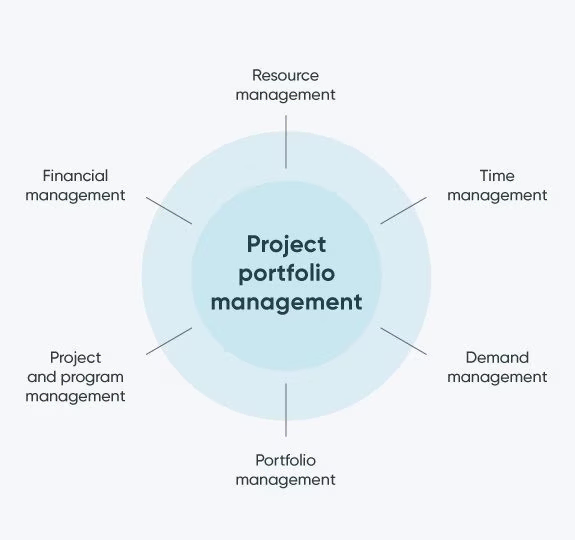
Project Portfolio Management within ServiceNow supports much more than tracking project schedules. It gives organizations a connected view of planning, execution, and portfolio performance.
Key capabilities include:
These capabilities become even more valuable because they operate within the broader SPM ecosystem, allowing planning, governance, and execution to stay connected throughout the project lifecycle.
One of the most common challenges in portfolio management shows up between planning and execution. Strategies are approved, but projects drift. Priorities shift, but delivery plans struggle to keep pace.
ServiceNow SPM helps close that gap by keeping Project Portfolio Management connected to portfolio intent. When funding assumptions change or priorities are revisited, the impact on active and planned projects becomes visible. This feedback loop allows PMOs to adjust without relying on disconnected tools or manual reconciliation. That becomes especially useful when portfolio planning needs to account for the operational work already visible through ITSM.
Leaders gain confidence that execution reflects strategy. Project managers gain earlier visibility into changes that affect scope, timing, or resourcing. Both benefit from a shared understanding of how decisions play out in practice.
Financial management has always been an important part of Project Portfolio Management, but its value grows when viewed across an entire portfolio. Within ServiceNow SPM, project financials roll up into broader portfolio views, making it easier to understand how individual initiatives contribute to overall investment performance.
This visibility supports more informed conversations around funding, forecasting, and investment priorities. Instead of reviewing project costs in isolation, leaders can evaluate financial performance alongside strategic objectives, resource availability, and delivery progress.
As ServiceNow continues to evolve Strategic Portfolio Management, financial planning and forecasting capabilities have become more accessible through modern workspaces, reporting, and AI-assisted experiences. These improvements help teams spend less time gathering information and more time evaluating options.
Even the strongest project plans depend on having the capacity to deliver them. Project Portfolio Management inside ServiceNow SPM connects project demand with available resources, bringing potential constraints into view before they become delivery issues.
For PMO leadership, this supports more realistic portfolio commitments. Resource managers gain greater visibility into team capacity, while project managers can identify potential conflicts earlier in the planning process.
Rather than reacting to over-allocation after projects begin, organizations can make informed staffing and prioritization decisions before delivery is affected. That alignment between planning and execution is one of the most practical advantages of using PPM as part of Strategic Portfolio Management.
As organizations mature in their use of Strategic Portfolio Management, expectations of Project Portfolio Management tend to shift. PPM is no longer just the place where projects are tracked and reported. It becomes the layer that carries portfolio decisions forward once execution begins.
When strategy, funding, and prioritization are established upstream in SPM, the role of PPM is to ensure those decisions hold up in practice. Projects surface real constraints. Financial assumptions are tested against delivery realities. Capacity pressures become visible as work progresses.
Inside ServiceNow SPM, this execution discipline is what keeps portfolio intent credible over time. Rather than managing projects in isolation, PPM helps PMOs understand whether the portfolio is behaving the way leadership expects as conditions evolve.
Recent ServiceNow releases, including Zurich, introduce expanded generative AI capabilities through Now Assist that support multiple parts of Strategic Portfolio Management. In the context of Project Portfolio Management, these capabilities focus on reducing administrative effort rather than changing how decisions are made.
Summarizing project information, drafting status narratives, and surfacing insights from portfolio data help teams spend less time assembling updates and more time interpreting what the data means. For PMO leadership, this supports clearer communication. For operators, it reduces time spent on manual reporting.
Accountability for prioritization, trade-offs, and outcomes remains firmly with people. AI supports the work around PPM, but it does not replace the judgment required to manage a portfolio effectively.
For PMOs balancing strategic oversight with delivery execution, Project Portfolio Management inside ServiceNow SPM provides a shared foundation. It creates a common view of work, funding, and capacity that supports both decision-making and delivery.
When PPM is connected to portfolio strategy and supported by current platform capabilities, it becomes easier to adapt as conditions change. Plans stay grounded, projects remain aligned, and conversations shift from reactive problem-solving to intentional decision-making.
That balance allows PMOs to support the organization more effectively, regardless of where they operate within the portfolio lifecycle.
Beyond20 is a ServiceNow Elite Partner dedicated to changing work life for our clients through rapid time to value across the ServiceNow platform. We help organizations make ServiceNow work in practice and for people, combining platform-spanning expertise, practical guidance, and hands-on delivery to help teams move with confidence and see value faster.